
Electricity is an essential part of modern life. Homes, offices, schools, factories, shops, hospitals, restaurants, and warehouses all depend on electrical systems every day. However, electrical faults can create serious safety hazards when wiring, connections, appliances, or protective devices are damaged, overloaded, or poorly maintained.
One of the most important electrical hazards to understand is a short circuit. A short circuit can cause excessive current, overheating, sparks, equipment damage, and, in some circumstances, fire. Preventing electrical faults is therefore an important part of overall fire safety.
The importance of this issue is also reflected in Pakistan’s emergency and building-safety framework. A Punjab Emergency Service Rescue 1122 report identified short circuiting as a major recorded cause of fire incidents in its historical fire statistics, with loose connections, substandard wires, and voltage fluctuations identified among contributing factors.
The Pakistan Engineering Council also lists the Building Code of Pakistan – Fire Safety Provisions 2016 and the Pakistan Electric and Telecommunication Safety Code among its published codes and standards.
Understanding short-circuit prevention can help households and organizations reduce avoidable electrical hazards.
What Is a Short Circuit?
A short circuit occurs when electricity follows an unintended low-resistance path. This can cause current to increase significantly and may produce excessive heat.
Short circuits can occur because of damaged insulation, loose connections, faulty equipment, incorrect wiring, moisture, deteriorated components, or other electrical problems.
The consequences depend on the electrical system and the circumstances involved. A protective device may interrupt the circuit, but relying entirely on a protective device is not a substitute for proper installation and maintenance.
Short circuits can damage electrical equipment and, if conditions allow excessive heating or arcing, can contribute to fire.
Why Short Circuit Prevention Matters
Short-circuit prevention is important because electrical problems can develop inside walls, equipment, distribution boards, extension arrangements, and other locations that may not be immediately visible.
A good prevention strategy combines proper electrical design, suitable equipment, qualified installation, regular inspection, safe use, and appropriate fire protection.
Here are five major reasons prevention deserves attention.
1. Short Circuits Can Cause Electrical Fires
The first and most important reason to prevent short circuits is the potential for fire.
When an electrical fault produces excessive current or electrical arcing, heat can be generated. If combustible materials are nearby, the resulting heat can potentially contribute to ignition.
Electrical fires can be particularly challenging because the source may be hidden inside equipment, walls, ceilings, or electrical distribution areas.
This is why preventing the fault is preferable to waiting for a fire to occur.
Pakistan’s Building Code of Pakistan – Fire Safety Provisions 2016 establishes requirements related to fire prevention, life safety, and fire protection in buildings. It also states that fire-protection systems and safeguards should be designed and installed according to applicable codes and standards.
Common Electrical Fire Warning Signs
People should take electrical warning signs seriously. Examples can include:
- Repeated circuit-breaker trips
- Burning smells around electrical equipment
- Unusual buzzing or crackling
- Discolored switches or sockets
- Damaged cables
- Sparks from electrical equipment
- Appliances becoming unusually hot
- Flickering lights associated with electrical problems
- Loose electrical connections
These signs do not necessarily mean a short circuit is occurring, but they can indicate that an electrical system requires professional attention.
Electrical faults should not be ignored simply because equipment continues to operate.
Why Professional Inspection Matters
Electrical systems should be inspected by appropriately qualified professionals when faults or safety concerns are identified.
Trying to repair hidden wiring or electrical distribution equipment without appropriate knowledge can create additional hazards.
A professional can assess the installation, identify the cause of a fault, and determine what corrective work is necessary.
2. Short Circuits Can Damage Expensive Equipment
A short circuit does not always result in a fire. It can also damage electrical and electronic equipment.
Modern buildings contain many sensitive devices, including:
- Computers
- Refrigerators
- Air conditioners
- Televisions
- Networking equipment
- Industrial machinery
- Security systems
- Pumps
- Lighting equipment
- Fire alarm equipment
An electrical fault can interrupt operations and potentially damage equipment connected to the affected circuit.
For a business, equipment damage may also lead to downtime. A shop may lose its point-of-sale system, an office may lose access to computers, and an industrial facility may experience interruption to production.
Prevention can therefore be part of both fire safety and business continuity.
Voltage Fluctuations and Electrical Safety
Voltage fluctuations can also create problems for electrical equipment.
The historical Rescue 1122 report cited voltage fluctuation among factors that can contribute to sparking, overheating, and short-circuiting.
The appropriate response depends on the electrical installation and the equipment involved. Qualified electrical professionals can determine whether additional protective equipment or corrective work is appropriate.
It is important not to assume that every electrical problem can be solved simply by replacing an appliance.
The underlying electrical installation should be considered when repeated faults occur.
3. Prevention Protects People
Electrical fires can place people at risk through flames, heat, smoke, electrical hazards, and panic during evacuation.
Preventing electrical faults reduces the likelihood of an incident developing in the first place.
This is particularly important in buildings where many people may be present, including:
- Schools
- Hospitals
- Hotels
- Shopping centers
- Offices
- Factories
- Apartment buildings
- Restaurants
- Public facilities
A fire-safety strategy should therefore consider both electrical prevention and emergency protection.
Electrical Safety and Building Fire Protection
Electrical safety does not operate separately from fire safety.
A building may have electrical protection, smoke detection, fire alarms, extinguishers, emergency lighting, emergency exits, and other protective measures.
Each has a different purpose.
Electrical protection helps reduce electrical hazards. Fire detection helps provide warning when a fire occurs. Emergency exits allow people to leave safely. Fire protection equipment can support trained responders when appropriate.
The Pakistan Engineering Council’s fire-safety provisions state that fire alarm systems should be provided where necessary to warn occupants when the fire itself would not provide adequate warning.
This means a Fire alarm system in Pakistan can be an important part of a wider building safety strategy, but it should not be treated as a replacement for electrical maintenance.
Early Warning Can Make a Difference
If a fire develops, early warning can provide occupants with valuable time to begin evacuation.
A properly designed fire alarm system may include smoke detectors, heat detectors, manual call points, alarm sounders, visual indicators, and a control panel.
The exact arrangement depends on the building’s characteristics and applicable requirements.
Fire alarm systems should also be installed, tested, inspected, and maintained appropriately.
4. Short Circuit Prevention Reduces Business Disruption
For businesses, fire prevention is also an operational concern.
An electrical incident can affect more than the damaged equipment. It can interrupt business operations, damage stock, affect communications, and make parts of a building temporarily unavailable.
Consider a warehouse where an electrical fault damages lighting and control equipment. Even if the fire is quickly contained, the resulting disruption may affect employees, inventory, deliveries, and daily operations.
Similarly, a restaurant may depend on refrigeration, cooking equipment, lighting, ventilation, payment systems, and other electrical equipment.
Preventive electrical maintenance can therefore support both safety and operational reliability.
Preventive Maintenance Is Better Than Waiting for Failure
A maintenance program can help identify developing problems before they become emergencies.
Depending on the building and electrical installation, professional inspections may consider:
- Wiring condition
- Electrical panels
- Connections
- Protective devices
- Equipment condition
- Load distribution
- Signs of overheating
- Previous electrical faults
- Maintenance history
The frequency and scope of inspections should be determined by qualified professionals and applicable requirements.
The Pakistan Engineering Council’s published engineering framework recognizes general electrical works and also separately identifies fire detection, alarm, and suppression system installation and maintenance as professional engineering activities.
Keep Maintenance Records
Businesses should maintain appropriate records of electrical and fire-safety inspections.
Records can help identify repeated problems and demonstrate that maintenance responsibilities are being addressed.
Useful records may include:
- Inspection dates
- Identified faults
- Corrective actions
- Equipment replacements
- Fire alarm testing
- Electrical maintenance
- Professional inspection reports
Good documentation can make safety management more organized.
5. Prevention Supports a Complete Fire-Safety Plan
The fifth reason short-circuit prevention matters is that electrical safety is one part of a much larger fire-safety system.
No single safety device can eliminate every fire risk.
A complete strategy may include:
- Safe electrical installation
- Regular electrical inspection
- Proper equipment maintenance
- Fire detection
- Fire alarm systems
- Suitable fire extinguishers
- Emergency lighting
- Clear escape routes
- Emergency planning
- Staff and occupant awareness
The Building Code of Pakistan recognizes fire prevention, life safety, fire protection, and maintenance, inspection, and testing as parts of building fire safety.
How Fire Alarm Systems Fit Into Electrical Fire Safety
A fire alarm system is designed to detect or receive signals associated with a fire and warn building occupants.
For example, smoke or heat detection may identify a developing fire. The control panel can then activate notification devices according to the system’s design.
A fire alarm cannot prevent a short circuit from happening.
Its role begins when a fire or relevant alarm condition is detected.
This distinction is important because effective fire safety involves both prevention and response.
Choosing the Right Fire Alarm System
The correct system depends on the building.
A small residential property may have different requirements from a multi-story commercial building, factory, hospital, or warehouse.
Systems may use:
- Conventional fire alarm technology
- Addressable fire alarm technology
- Wireless components
- Smoke detectors
- Heat detectors
- Manual call points
- Sounders
- Visual alarm devices
- Control panels
- Backup power
A professional fire-safety assessment can help determine which arrangement is appropriate.
The Pakistan Engineering Council also identifies installation, commissioning, and maintenance of fire detection, alarm, and suppression systems as a defined engineering category.
Common Causes of Short Circuits
Understanding potential causes can help with prevention.
Damaged Insulation
Electrical cables depend on insulation to separate conductors and prevent unintended contact.
When insulation becomes damaged, electrical faults can occur.
Loose Connections
Loose connections can cause abnormal electrical behavior and overheating. Historical Rescue 1122 data specifically identified loose connections as one of the major reasons associated with short-circuiting in its recorded fire statistics.
Poor-Quality Electrical Materials
Substandard wires and electrical components can increase safety concerns. Rescue 1122’s historical report also identified substandard electrical wires among factors associated with short-circuiting.
Electrical materials should therefore be selected appropriately for the intended application.
Overloaded Circuits
Connecting too many loads to a circuit can create excessive demand.
Electrical installations should be designed according to the expected loads rather than relying on temporary arrangements.
Moisture
Water and electricity can create serious hazards. Electrical equipment should be suitable for its environment, and damaged equipment exposed to moisture should be professionally assessed.
Safe Use of Electrical Appliances
Short-circuit prevention is not only about building wiring. Appliance use also matters.
People should:
- Follow manufacturer instructions.
- Avoid using visibly damaged cables.
- Stop using equipment that repeatedly trips protective devices.
- Keep electrical equipment appropriate for its environment.
- Avoid unsafe temporary wiring.
- Have recurring electrical faults professionally investigated.
If an appliance repeatedly causes a circuit breaker to trip, repeatedly resetting the breaker without finding the cause is not a proper solution.
Do Not Ignore Repeated Circuit Breaker Trips
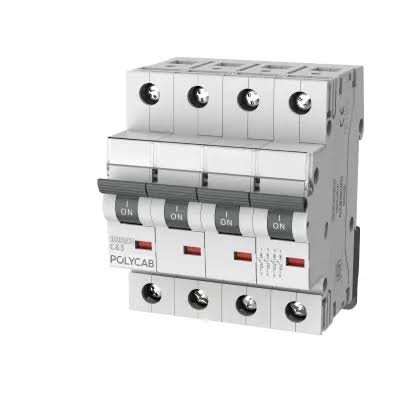
A circuit breaker is a protective device, and repeated tripping can indicate an underlying problem.
Possible causes can include excessive load, an appliance fault, wiring problems, or another electrical issue.
Instead of repeatedly restoring the circuit without investigation, the cause should be assessed by an appropriately qualified electrician.
The correct solution depends on the cause.
Short Circuit Prevention in Commercial Buildings
Commercial properties require particular attention because electrical systems can be more complex.
Businesses may have:
- Larger electrical loads
- Multiple distribution boards
- Machinery
- Air-conditioning systems
- Computer networks
- Emergency systems
- Generators
- Backup power
- Fire alarm systems
These systems should be properly designed and maintained.
Electrical and fire-safety responsibilities should also be clearly assigned within the organization.
Short Circuit Prevention in Homes
Homeowners can also reduce electrical risks through simple habits.
Avoid using damaged electrical appliances and cables. Do not ignore burning smells, unusual noises, repeated breaker trips, or visible damage.
Children should not be allowed to experiment with electrical outlets, wiring, or electrical equipment.
If an electrical problem is suspected, an adult should arrange professional assistance rather than attempting unsafe repairs.
The Role of Professional Fire-Safety Services
Electrical safety and fire protection often need to work together.
A professional fire-safety company can assess fire detection requirements, recommend suitable alarm equipment, and provide installation and maintenance services where qualified to do so.
Flame Defender provides fire-safety information and services relevant to fire detection and protection in Pakistan.
For a commercial property, fire alarm design should be considered alongside the building’s occupancy, electrical infrastructure, fire hazards, evacuation arrangements, and applicable requirements.
A Simple Short-Circuit Prevention Checklist
Property owners and facility managers can use a basic checklist to identify areas that may require attention:
- Inspect electrical installations regularly.
- Replace damaged cables and equipment appropriately.
- Investigate repeated circuit-breaker trips.
- Address loose electrical connections professionally.
- Avoid overloaded circuits.
- Use suitable electrical equipment.
- Keep electrical equipment away from unsuitable environmental conditions.
- Maintain electrical distribution equipment.
- Keep fire exits accessible.
- Maintain smoke and fire detection systems.
- Test fire alarm systems according to their maintenance requirements.
- Keep maintenance records.
- Train relevant staff in emergency procedures.
This checklist is not a substitute for professional electrical inspection or a formal fire-risk assessment.
What to Do if an Electrical Fire Starts
If an electrical fire occurs, personal safety should be the priority.
People should alert others, activate the building’s fire alarm where appropriate, evacuate using a safe route, and contact the relevant emergency service.
People who are not appropriately trained should not attempt to tackle a developing electrical fire.
Electrical equipment may remain hazardous, and water can create additional electrical risks in some circumstances.
Emergency responders should be allowed to manage the incident according to their training and procedures.
Why Prevention Matters More Than Reaction
A fire alarm, extinguisher, or emergency response system is valuable, but preventing an electrical fault in the first place can reduce the chance of an emergency developing.
This does not mean fires can always be prevented. Electrical systems can fail unexpectedly.
Instead, the goal is to reduce avoidable risks while ensuring that appropriate detection and emergency systems are available if prevention fails.
This layered approach is the foundation of effective fire safety.
Conclusion
Short circuit prevention matters because electrical faults can lead to equipment damage, operational disruption, electrical hazards, and potentially fire. In Pakistan, historical Rescue 1122 fire statistics have identified short circuiting as a major recorded cause of fire incidents, with loose connections, substandard wires, and voltage fluctuations among the cited contributing factors.
Preventing these hazards requires more than simply installing a circuit breaker. Proper electrical design, suitable materials, qualified installation, regular inspection, responsible equipment use, and timely maintenance all have important roles.
Fire detection and alarm systems provide another layer of protection. The Building Code of Pakistan’s fire-safety provisions recognize the importance of occupant notification and appropriately designed fire-protection systems.
A Fire alarm system in Pakistan should therefore be viewed as part of a broader safety strategy rather than a replacement for electrical prevention.
For homes and businesses alike, the best approach is to identify electrical problems early, have them assessed by qualified professionals, maintain fire-safety equipment, and ensure that occupants know how to respond if an emergency occurs.
FAQs
1. What is the most common cause of a short circuit?
Short circuits can result from several problems, including damaged insulation, loose connections, faulty equipment, moisture, wiring problems, and other electrical faults. Historical Rescue 1122 data identified loose connections and substandard wires among important factors associated with short-circuiting.
2. Can a short circuit cause a fire?
Yes. A short circuit can create excessive current, heat, or electrical arcing, which may contribute to ignition under certain conditions. Proper electrical installation, protection, inspection, and maintenance can help reduce the risk.
3. Can a fire alarm system prevent short circuits?
No. A fire alarm system is primarily designed to detect or receive signals associated with fire and warn occupants. It does not replace proper electrical installation and maintenance.
4. What should I do if my circuit breaker keeps tripping?
Repeated tripping can indicate an overload, faulty appliance, wiring problem, or another electrical issue. The underlying cause should be investigated by an appropriately qualified electrician rather than repeatedly resetting the breaker without finding the problem.
5. Why is short-circuit prevention important for businesses?
Electrical faults can cause fires, equipment damage, interruptions to operations, and risks to employees and visitors. Preventive electrical maintenance combined with appropriate fire detection and emergency planning can help reduce these risks.